
Finding the Right Used Car Lots in Traverse City
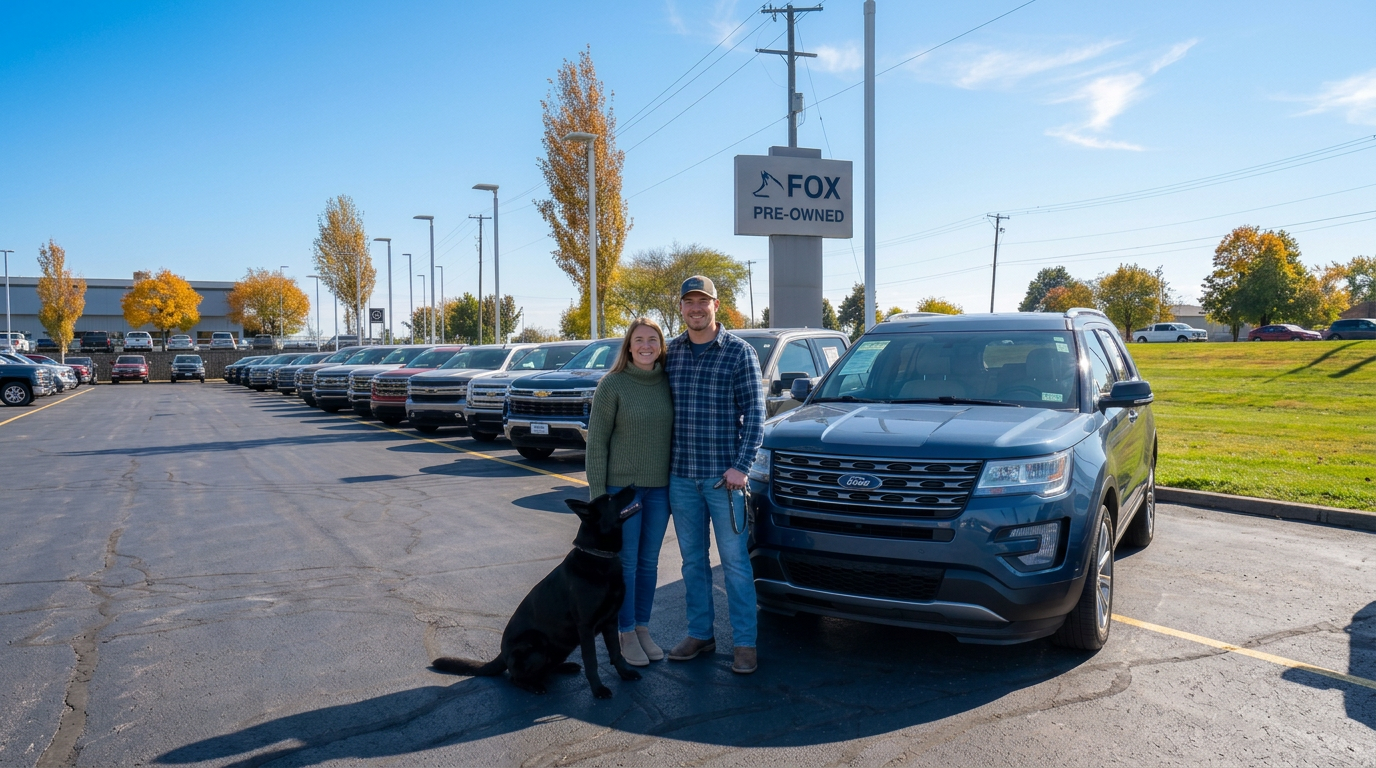
Navigating the local pre-owned market requires finding a dealership that prioritizes transparency, vehicle quality, and straightforward pricing. While there are various used car lots in Traverse City, choosing a partner with a diverse inventory and a dedicated finance department makes the purchasing process seamless. Our team focuses on providing a pressure-free environment where you can compare different makes, models, and body styles to find the exact fit for your daily driving needs.
To help narrow down your search, we organize our pre-owned selection into clear categories. If you want a vehicle with a thoroughly documented history, you can shop one-owner used vehicles that typically show consistent maintenance and care. Buyers operating on a specific budget can shop affordable used cars to find highly reliable transportation at a lower price point than new vehicles. We also highlight hand-selected models each week, allowing you to browse featured used vehicles that offer exceptional value and popular feature packages.
When you are ready to compare models in person, you can get directions to our showroom located at 3464 N U, Traverse City, MI 49684. Visiting our physical location allows you to take a test drive, inspect the cabin materials, and speak directly with our finance specialists. If you prefer to discuss our current inventory or schedule an appointment before driving over, feel free to give us a quick call to connect with a sales representative. You can also explore our complete selection online to browse used inventory from the comfort of your home.
Table of Contents
- Is a Certified Pre-Owned Vehicle Worth the Investment?
- Comparing Popular Used SUVs: Toyota RAV4 vs Honda CR-V
- Evaluating Mileage and Preparing a Used AWD Vehicle for Winter
- Trading In a Vehicle with an Active Auto Loan Balance
- Common Questions About Buying Used Vehicles
- Your Next Steps at Fox Grand Traverse Ford
Is a Certified Pre-Owned Vehicle Worth the Investment?
Choosing between a standard used car and a certified pre-owned (CPO) vehicle comes down to how much you value long-term reassurance and manufacturer-backed protection. A CPO vehicle sits in a distinct category because it must meet strict age and mileage limits set by the manufacturer before even being considered for the program. Once a vehicle qualifies, factory-trained technicians subject it to a comprehensive multi-point inspection that covers the engine, transmission, steering, brakes, and electrical systems. Any component that does not meet the strict OEM standards is repaired or replaced using genuine factory parts.
The primary benefit of choosing a certified vehicle is the extended warranty coverage. While a standard used vehicle is often sold as-is once the original factory warranty expires, a CPO model includes additional limited warranty terms that protect you from unexpected repair costs. Furthermore, these vehicles typically come with complimentary roadside assistance, vehicle history reports, and occasionally special financing rates that are not available on non-certified pre-owned models. For many buyers, this comprehensive coverage easily justifies the slight price premium over a standard used car.
If you decide that a factory-backed vehicle fits your lifestyle, we carry an exceptional selection of certified models. For those who prefer to compare the latest technology and zero-mile options alongside our pre-owned inventory, you can browse new Ford inventory to see what the current lineup offers. Our selection includes highly capable work trucks if you want to shop new Ford trucks, as well as versatile family vehicles for those looking to shop new Ford SUV inventory. We also accommodate local businesses with specialized commercial needs, making it easy to shop new commercial inventory for your fleet.
Comparing Popular Used SUVs: Toyota RAV4 vs Honda CR-V
When shopping for a pre-owned compact SUV, the Toyota RAV4 and the Honda CR-V consistently top the shopping lists of local buyers. Both models have earned strong reputations for holding their value, offering spacious cabins, and delivering dependable performance. However, they approach the segment with slightly different design philosophies, which becomes apparent when you compare their performance specifications, interior layouts, and overall driving dynamics.
The Toyota RAV4 typically appeals to drivers who want a bolder, more rugged aesthetic and outdoor capability. Standard gasoline models from recent model years feature a 2.5-liter four-cylinder engine producing 203 hp paired with an 8-speed automatic transmission. This powertrain delivers a highly responsive feel, especially when merging onto the highway. Inside, the RAV4 offers a straightforward, durable cabin design with physical buttons that are easy to operate while wearing gloves during cold northern Michigan winters.
In contrast, the Honda CR-V focuses on maximizing passenger comfort and cargo versatility. Most recent pre-owned CR-V models utilize a 1.5-liter turbocharged engine that generates 190 hp mated to a continuously variable transmission. This setup prioritizes smooth, linear power delivery and excellent fuel efficiency. The CR-V shines when it comes to interior packaging, offering a slightly larger rear seat legroom and a lower cargo floor height, which makes loading heavy gear much easier.
To help you compare the utility of these two popular SUVs, the table below outlines the key specifications for typical late-model gasoline configurations:
| Specification | Toyota RAV4 (2.5L) | Honda CR-V (1.5T) |
|---|---|---|
| Engine Type | 2.5-liter 4-Cylinder | 1.5-liter Turbocharged 4-Cylinder |
| Horsepower | 203 hp | 190 hp |
| Torque | 184 lb-ft | 179 lb-ft |
| Transmission | 8-speed automatic | Continuously Variable (CVT) |
| Max Cargo Volume | 69.8 cubic feet | 75.8 cubic feet |
If you are planning to upgrade to one of these highly efficient SUVs, we can help you transition out of your current vehicle. You can use our online trade-in tool to value your trade-in and get an instant estimate of what your current car is worth, which you can apply directly toward your next purchase.
Evaluating Mileage and Preparing a Used AWD Vehicle for Winter
When evaluating a pre-owned vehicle, buyers often wonder whether they should focus on the total mileage or the type of miles driven. The reality is that highway mileage is generally much easier on a vehicle than city mileage. Stop-and-go city driving requires constant gear changes, heavy braking, and idling, which accelerates wear on the transmission, brake pads, and suspension. Highway driving allows the engine and transmission to operate at stable operating temperatures in top gear, resulting in significantly less mechanical stress per mile. A well-maintained vehicle with higher highway miles is often a better purchase than a lower-mileage vehicle that spent its life idling in heavy traffic.
Regardless of the mileage on your chosen vehicle, preparing for seasonal changes is essential for maintaining safety and control. While having an all-wheel-drive (AWD) system is a massive advantage when navigating snowy roads in Elk Rapids, it is a common misconception that AWD replaces the need for winter tires. An AWD system helps distribute engine power to all four wheels to help you accelerate and maintain forward momentum, but it does not assist your vehicle when you try to stop or turn on packed snow and ice.
Winter tires are engineered with specialized rubber compounds that remain flexible in temperatures below 45 degrees, allowing the tread to grip the road surface. They also feature deep, aggressive tread patterns and microscopic sipes designed to channel snow, slush, and water away from the contact patch. Equipping your used AWD vehicle with a dedicated set of winter tires ensures that you have maximum traction for both accelerating and braking, providing a crucial safety margin during harsh winter weather.
Trading In a Vehicle with an Active Auto Loan Balance
Many car shoppers assume they have to wait until their current vehicle is completely paid off before they can upgrade to a different model. However, you can easily trade in a vehicle even if you still owe money on your active auto loan. The dealership handling your trade-in can coordinate directly with your current lender to pay off the remaining balance, simplifying the transition into your next vehicle.
The process begins by determining your vehicle's equity, which is the difference between its current market value and your outstanding loan payoff amount. If your vehicle is valued at more than what you owe, you have positive equity. This positive balance can be applied directly as a down payment on your next purchase, reducing your new loan amount. If your vehicle is worth less than the remaining loan balance, this is known as negative equity or being "underwater" on your loan. In this scenario, you can either pay the difference out of pocket or roll the negative equity into your new auto loan, subject to lender approval.
To make this process as smooth as possible, it is highly beneficial to secure your financing options before visiting the showroom. You can get started today by prequalifying online through our secure finance portal. Our specialists work with a wide range of lenders to structure current loan terms that accommodate trade-ins with active balances, helping you drive home in a reliable pre-owned vehicle with payments that fit your monthly budget.
Common Questions About Buying Used Vehicles
Q: What paperwork should I bring when buying a used car?
You need to bring a valid driver's license, proof of active auto insurance for your new vehicle, and your preferred method of payment or pre-approval documentation. If you plan to trade in your current vehicle, make sure to bring the title, the current registration, and the account information or payoff letter from your current lienholder.
Q: How can I verify the history of a pre-owned vehicle?
You should always request a comprehensive vehicle history report, such as a CARFAX, which details previous ownership, reported accidents, service records, and title status. Our dealership provides complimentary history reports for our pre-owned inventory so you can review the maintenance history before making a decision.
Q: Does the Fife Lake winter climate affect how I should inspect a used vehicle?
Yes, vehicles driven in northern Michigan are exposed to road salt and winter moisture, making it important to inspect the undercarriage for signs of excessive rust or corrosion. We conduct rigorous multi-point inspections on all our pre-owned vehicles to ensure their structural integrity and mechanical reliability before they are placed on our lot.
Q: Can I get a pre-owned vehicle delivered directly to my home?
Many modern dealerships offer convenient home delivery options within a specific mileage radius once the financing paperwork and purchase agreements are finalized online. Speak with our sales team to learn more about our delivery options and how we can bring your next vehicle directly to your driveway.
Your Next Steps at Fox Grand Traverse Ford
Finding the perfect pre-owned vehicle is a major milestone, and our team is dedicated to making your buying experience as straightforward and rewarding as possible. From comparing versatile compact SUVs to navigating the trade-in process with an active loan, we provide the clear information and professional support you need to make an informed decision.
We invite you to take the next step in your automotive journey by exploring our extensive inventory online. You can easily browse used inventory to compare body styles, filter by specific features, and find the vehicle that matches your daily driving requirements. When you are ready to experience a model firsthand, stop by our showroom or contact us to schedule a test drive.
Keep Your Vehicle Running Strong
Keep your vehicle performing at its best with our service team:
© 2026 Fox Grand Traverse Ford. All rights reserved.