

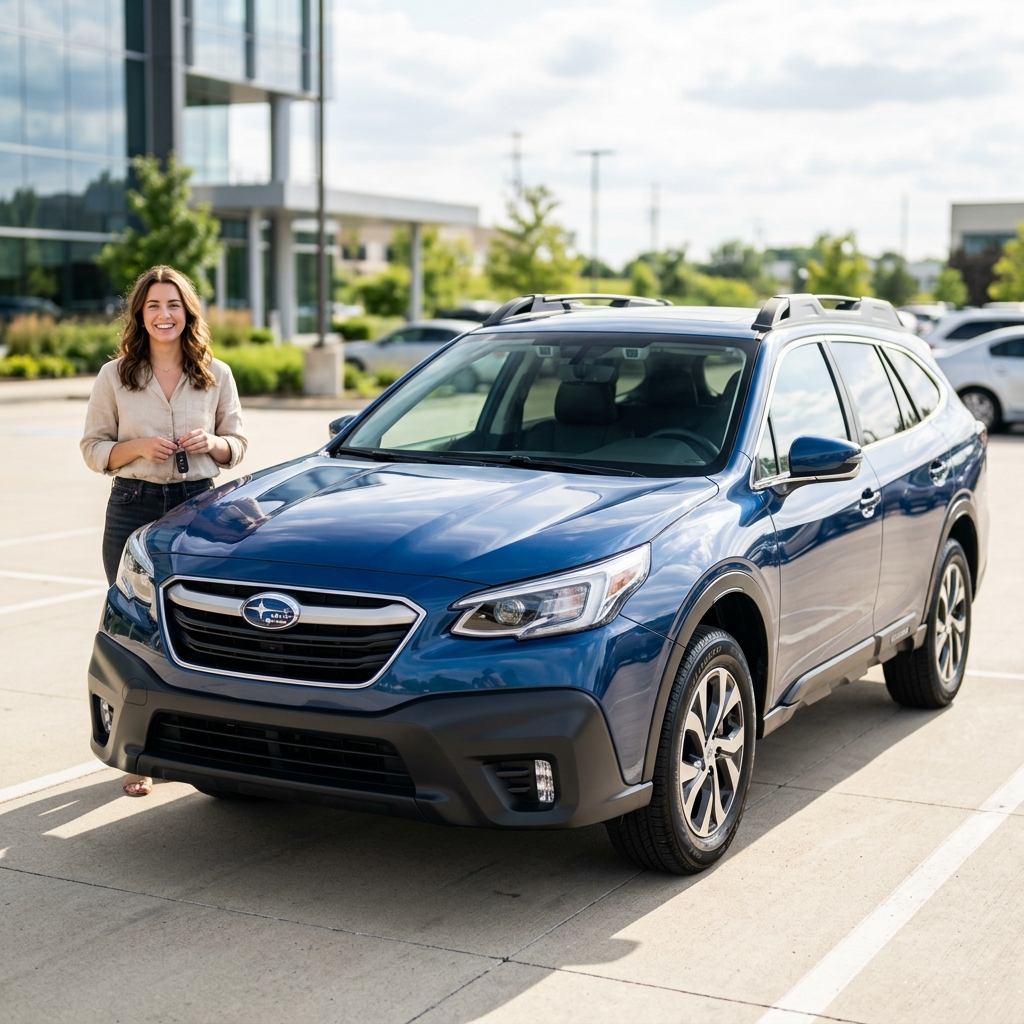
First impressions heavily influence the initial assessment when a dealership appraiser walks up to a vehicle. A car covered in road grime, dust, or mud forces the appraiser to wonder what paint defects might be hiding beneath the dirt. Industry data indicates that a thorough hand wash, basic vacuum, and wipe-down of interior surfaces are worth doing before an appraisal. Taking this step makes it easier for the appraiser to see the actual condition of the body and cabin, which typically improves the vehicle's first impression without requiring a major financial investment.
When preparing for an appraisal, removing all personal items from the cabin and trunk is a standard step. Appraisers and reconditioning staff expect an empty vehicle, and dealerships do not assume responsibility for lost belongings left behind. For drivers in Traverse City, this means clearing out outdoor recreation gear, hiking boots, or sandy beach towels used along the Grand Traverse Bay waterfront before driving to the dealership. A clean, empty cabin allows the appraiser to focus entirely on the vehicle's physical condition rather than the clutter inside.
Vehicle cleanliness fits into a broader formula that dealerships use to calculate trade-in value. This formula starts with wholesale guide prices and local market demand, then subtracts estimated reconditioning costs. If a cabin has strong odors from smoke, pets, or food, those smells can signal neglect and lower the perceived value of the vehicle. Neutralizing these odors with baking soda, charcoal bags, or fabric deodorizers before the appraisal is highly recommended, as persistent smells often require deep chemical treatment during reconditioning.
If you are ready to transition into a new vehicle, you can use our online tool to value your trade-in from home. Once you have an estimate, you can explore our current new-vehicle inventory to find your next ride. Whether you are looking for a capable truck like the new Ford F-150 with its robust 3.5L EcoBoost V6 engine and standard 10-speed automatic transmission, or a family-friendly SUV like the new Ford Explorer which offers an EPA-estimated 21 mpg city / 28 mpg highway, presenting a clean trade-in helps secure a straightforward appraisal.
Table of Contents
- The Financial Return of a Basic Car Wash Versus Professional Detailing
- Pre-Appraisal Checklist: Strategic Minor Repairs and Missing Title Solutions
- Answers to Common Trade-In and Preparation Questions
- Get Maximum Value for Your Trade-In and Find Your Next Ford
The Financial Return of a Basic Car Wash Versus Professional Detailing
Deciding between a basic wash and a professional detail comes down to a cost-benefit analysis. A basic exterior wash and interior vacuum prevent an appraiser from assuming a vehicle has been neglected. When a car arrives dirty, appraisers must factor in higher potential reconditioning costs to cover hidden paint scratches or stained carpets. A simple wash removes this guesswork, helping the vehicle secure a fair baseline rating based on its actual physical state.
Professional detailing can elevate a vehicle's presentation to secure a "clean" or "very good" condition rating, which can add several hundred dollars to the appraisal offer. However, spending more on detailing than the realistic potential bump in your offer results in wasted money. Our appraisers often note that while a pristine interior is welcome, spending hundreds on professional detailing rarely returns those exact dollars in trade value. For an average used car with normal wear, a modest clean-up is usually sufficient. A high-value vehicle or one with heavy interior soiling from frequent boating trips or towing watercraft near the Elk Rapids Marina may justify professional attention to address deep-set stains.
DIY cleaning costs very little beyond basic supplies and a few hours of your time. This approach is highly effective for vehicles that are already in decent shape. Professional detailing costs more but utilizes specialized equipment, such as hot-water extractors and ozone machines, to eliminate deep upholstery stains and stubborn odors. If the cabin has severe pet hair accumulation or persistent smoke smells, paying for professional odor removal is often a smart decision that prevents a sharp deduction during the appraisal.
Once you have prepared your vehicle, you can browse our used-vehicle inventory to see the quality of pre-owned models we offer. To streamline the purchasing process for your next vehicle, you can also get pre-approved for financing online before visiting our showroom. Balancing your cleaning efforts ensures you maximize your trade-in return without overspending on preparation.
Pre-Appraisal Checklist: Strategic Minor Repairs and Missing Title Solutions
Addressing minor issues before your appraisal can prevent unnecessary deductions, but it is crucial to know where to draw the line. Research from AAA shows that minor low-cost fixes like replacing burnt-out bulbs, topping off fluids, and inflating tires to the correct PSI support a stronger appraisal. Conversely, spending money on brand-new tires, professional dent repair, wheel rash fixes, or paint touch-ups right before a trade-in is rarely cost-effective. Dealerships consistently advise against these expensive cosmetic updates because they recondition these items in-house at wholesale rates, meaning they will not increase their trade offer enough to cover your retail repair bills.
Before driving to the dealership, perform a quick visual check of the dashboard and windshield. Industry evaluations from CarEdge advise checking that no dashboard warning lights are illuminated and that the windshield is free of major cracks or unsafe chips. Visible safety or mechanical concerns will either reduce the trade-in offer or trigger mandatory repair deductions. Additionally, locate and organize your maintenance records, including documented oil changes, brake work, and recall repairs. Vehicle history records from CARFAX demonstrate that organized maintenance records support a higher trade-in offer by proving the vehicle was serviced on time, preventing the appraiser from assuming there is deferred maintenance.
Another critical step is gathering all physical items that belong with the vehicle. Bringing a complete set of keys, remotes, and fobs directly protects your trade-in value. Missing electronic keys commonly result in a direct deduction from your offer to cover the dealership's cost of sourcing and programming a replacement fob. If you cannot find the physical title to your vehicle, you can still trade it in, but you must apply for a duplicate title through the DMV, or sign a power of attorney allowing the dealership to apply for the duplicate on your behalf.
Taking these organized steps ensures a smooth transaction when you are ready to trade. You can view our featured used vehicles to see the types of well-maintained models we accept and sell. Preparing your paperwork and handling minor details protects your equity and speeds up the entire trade-in process.
Answers to Common Trade-In and Preparation Questions
Q: Do appraisers scan the vehicle's computer for cleared codes during the inspection?
Yes, appraisers frequently use diagnostic scanners during the physical inspection. This tool checks for recently cleared engine trouble codes or underlying system faults that may not display an active warning light on the dashboard.
Q: Can I trade in a vehicle that has an active auto loan?
Yes, you can trade in a vehicle with an active loan. The dealership will contact your lender to obtain the payoff amount, and that balance will either be paid off using your trade-in equity or rolled into the financing of your next vehicle.
Q: How long does a typical physical trade-in appraisal take at the dealership?
A professional physical appraisal typically takes about 15 to 30 minutes to complete. During this time, the appraiser evaluates the exterior, interior, mechanical operation, and performs a brief test drive to verify performance.
Q: What happens if my trade-in vehicle has aftermarket accessories installed?
Aftermarket modifications like custom wheels or exhaust systems rarely increase trade-in value and can sometimes lower it if they limit the vehicle's appeal. Keeping original factory parts and reinstalling them before the appraisal is usually the best way to protect your value.
Q: Does trading in a vehicle offer any tax advantages compared to a private sale?
In many states, you only pay sales tax on the difference between your new vehicle's purchase price and the value of your trade-in. This tax credit can save you hundreds of dollars, making a trade-in financially competitive with a private sale. Many of these traded models eventually join our selection of one-owner used vehicles after undergoing a thorough inspection.
Get Maximum Value for Your Trade-In and Find Your Next Ford
Preparing your vehicle for a trade-in does not require spending thousands on professional detailing or major cosmetic repairs. Focusing on a clean presentation, organizing your maintenance history, and resolving minor low-cost issues will help you secure a highly competitive offer. Our team at Fox Grand Traverse Ford is ready to guide you through a transparent appraisal process and help you transition into your next vehicle.
Whether you want to apply your trade-in equity toward a brand-new model or browse our selection of affordable used cars, we make the entire process straightforward. If you have questions about your vehicle's title, active loans, or physical condition, you can speak directly with our team by calling (231) 922-2000. When you are ready for your in-person appraisal, input our dealership location into your navigation system and visit our showroom today.
Keep Your Vehicle Running Strong
Keep your vehicle performing at its best with our service team:
© 2026 Fox Grand Traverse Ford. All rights reserved.